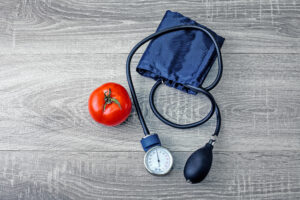
In today’s modern world, high blood pressure, also known as hypertension, has emerged as a widespread health issue. It’s often dubbed as the ‘silent killer’ because it quietly damages the body before symptoms develop. Research suggests that a healthy diet can play a significant role in preventing and managing this condition. Here is an in-depth look at how you can maintain a healthy diet to reduce high blood pressure.
Understanding High Blood Pressure
High blood pressure occurs when the force of blood against your artery walls is consistently too high. Over time, this can lead to numerous health problems, including heart disease and stroke. While medication can help control hypertension, lifestyle modifications, including dietary changes, can lower your risk and may reduce or even eliminate the need for drugs.
The Role of a Healthy Diet
A healthy diet is one of your best weapons in the fight against hypertension. Consuming a balanced diet rich in whole grains, fruits, vegetables, lean proteins, and low-fat dairy can significantly reduce high blood pressure. Simultaneously, reducing the intake of foods high in saturated fats, cholesterol, and sodium can also aid in managing hypertension.
The DASH Diet
The Dietary Approaches to Stop Hypertension (DASH) diet is a well-researched eating plan that aims to lower or control high blood pressure. It emphasizes foods that are low in sodium and rich in nutrients that help lower blood pressure, such as potassium, calcium, and magnesium. Following the DASH diet involves consuming more fruits, vegetables, whole grains, fish, poultry, beans, and nuts while reducing your intake of sweets, sugary beverages, and red meats.
Importance of Limiting Sodium
Sodium, found abundantly in table salt, is a major contributor to high blood pressure. The American Heart Association recommends limiting sodium intake to 1,500 mg per day for adults. However, most people consume significantly more, primarily because of processed and restaurant foods. Paying attention to food labels and choosing low-sodium options can help keep sodium intake under control.
Power of Potassium
Potassium is a crucial mineral that helps balance the effects of sodium, helping to maintain healthier blood pressure levels. Foods rich in potassium include bananas, oranges, apricots, sweet potatoes, spinach, tomatoes, and dairy products. However, ensure that potassium comes from dietary sources and not supplements unless prescribed by a healthcare provider.
The Right Fats
Not all fats are created equal. While you should limit saturated and trans fats, monounsaturated fats (found in olive oil, avocados, and nuts) and polyunsaturated fats (found in fatty fish, walnuts, and flaxseeds) can help reduce blood pressure. Omega-3 fatty acids, a type of polyunsaturated fat, are particularly beneficial for heart health.
Lean Proteins and Plant-Based Proteins
Choosing lean proteins, like skinless poultry, fish, and low-fat dairy products, can help reduce high blood pressure. Incorporating more plant-based proteins, such as beans, lentils, and tofu, into your diet can also contribute to a lower blood pressure.
Maintaining a Healthy Weight
Being overweight or obese increases your risk of developing high blood pressure. Maintaining a healthy weight can help control or prevent hypertension. A diet rich in fruits, vegetables, lean proteins, and whole grains, coupled with regular physical activity, can help you achieve and maintain a healthy weight.
Physical Activity and Lifestyle Changes
While diet is crucial, it’s only one part of the puzzle. Regular physical activity, maintaining a healthy weight, moderating alcohol intake, and quitting smoking are all equally important in controlling high blood pressure.
Conclusion
Maintaining a healthy diet is a powerful tool in managing high blood pressure. Incorporating a variety of nutrient-dense foods, limiting sodium, and choosing healthier fats and proteins can contribute significantly to reducing hypertension. Remember, everyone is unique, and what works best for one person may not work as well for another. It’s always best to consult with a healthcare provider or a registered dietitian to create a personalized diet plan that suits your lifestyle and needs.
Remember, making small changes over time can lead to significant health benefits. Start by making one or two healthier food choices each day, and before you know it, these small changes will add up to a big impact on your health. A balanced diet, along with other lifestyle modifications, can help you manage high blood pressure and pave the way for a healthier future.